Basic HTML Version


AS
many as one in four American adults may have metabolic
syndrome, according to the American Heart Association. This
syndrome is a collection of factors that increase a person’s risk
of heart disease, type 2 diabetes and stroke. Fortunately, it is
treatable—and it may be preventable.
Syndrome signs
Metabolic syndrome includes these factors:
»
»
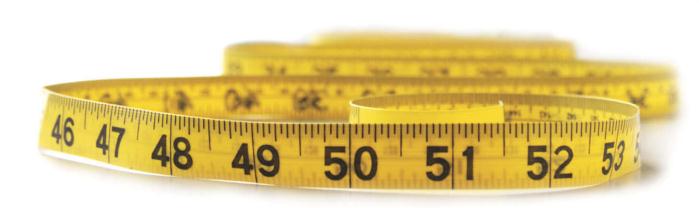
A large waistline.
»
»
High blood pressure.
»
»
High triglycerides (a type of fat in the blood).
»
»
Low levels of HDL (good) cholesterol.
»
»
High blood sugar.
A person with three or more of these factors is considered to have
metabolic syndrome. In general, having this syndrome doubles a
person’s risk of heart disease.
Reduce your risk
A healthy lifestyle is the first line of defense against metabolic
syndrome. That includes:
A heart-healthy diet.
Eat a variety of fruits, vegetables and whole
grains; lean meats, poultry, fish and beans; and low-fat or nonfat
dairy. It’s also important not to overeat.
A healthy body weight.
Visit
www.nhlbisupport.com/bmi
to
calculate your BMI (body mass index), which measures your weight
in relation to your height and gives an estimate of your total body
fat. To lower your risk of metabolic syndrome, aim for a BMI of less
than 25.
Regular exercise.
Physical activity helps strengthen your heart and
lungs. The more you do, the more benefits you’ll see.
Not smoking.
Smoking raises your risk of heart disease and
worsens other risk factors.
Getting screened.
Know your cholesterol, blood pressure and
blood sugar numbers. Keep them in a healthy range. This will
help you reduce your risk of metabolic syndrome and other health
problems.
Metabolic syndrome:
Are you at risk?
the left ventricle with the aorta, the
body’s largest artery, which carries
the heart’s total output of blood.
Stenosis causes chest pain, fainting and
shortness of breath. It can even lead to
sudden death.
To replace the valve, the patient would
need open-heart surgery. She would
be put on a heart lung machine while
her heartbeat was halted for surgery.
But the walls of her heart had grown
uncommonly thick as the organ
struggled to keep blood flowing past
the narrowing valve. Thicker walls
would make the heart more prone to
injury during the procedure. Dr. Gottner
decided that implanting an LVAD
temporarily might be the best
prescription.
“The LVAD is small but powerful,” Dr.
Gottner says. “It can take on virtually all
the work of the ventricle. As the heart
recovers, we can slowly reduce the flow
rate and then remove the device once
the heart is back to normal.”
Described as “the world’s smallest
heart pump,” the Impella LVAD is a
battery-operated device shaped like a
long straw. Once inserted, the pump
pulls blood out of the ventricle and
carries it into the aorta, easing the
heart’s workload and allowing it to rest
and heal. LVADs are increasingly used
for short-term cardiac implantations,
as well as a longer-term “bridge” for
patients awaiting heart transplants.
The Impella is thin enough to be
threaded through the femoral artery in
the groin, eliminating the need to open
up the chest wall.
“That’s a huge benefit to the patient
because incisions in the breastbone
can be difficult to heal,” Dr. Gottner
explains. The device can be taken out
through the artery as well. But since
Dr. Gottner’s patient was already having
open-heart surgery to replace the
valve, he installed the LVAD through
the chest opening.
Previously, larger pumps could not be
placed internally and were situated at
the patient’s bedside. These pumps
could only be installed through the
chest wall. Their large tubes had to be
inserted into the heart and hand-sewn
into the aorta—a time-consuming
process. Removing the temporary
device meant performing the complex
procedure in reverse.
After Dr. Gottner’s patient recovered,
the LVAD was removed through her
femoral artery.
“It saved having to perform another
chest opening. That minimized trauma
and reduced the risk of infection,”
he says. Removal took a third of the
time needed with earlier models. The
patient is recovering well.
In the future Dr. Gottner expects
more patients will receive LVADs for
temporary cardiac assistance. In fact,
cardiologists can insert low-flow versions
in the cardiac catheterization lab.
“These devices are lifesavers,”
Dr. Gottner says. “They’re giving heart
patients the assistance they need to
recover naturally, while giving
transplant patients time for a donor
to be found.”
Helping
hearts heal
Methodist Hospital News
www.methodisthospital.org
3
CONTINUED FROM COVER